Guinea-Bissau’s military seized control on Wednesday, suspending the electoral process and shutting the nation’s borders days after presidential and parliamentary elections.
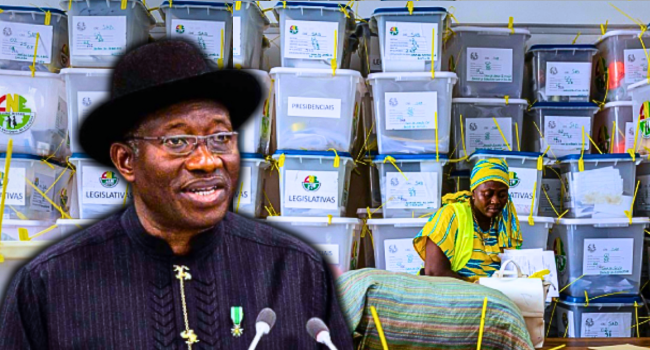
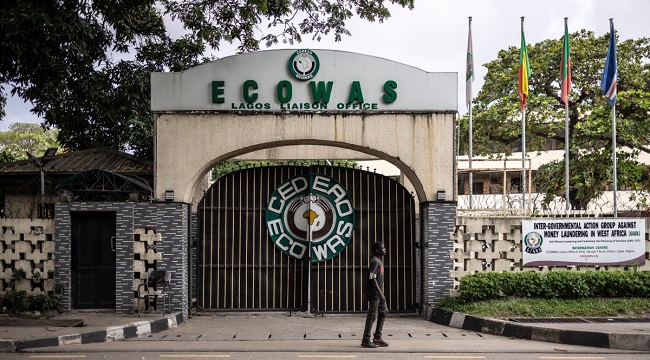
Former President Goodluck Jonathan has called on the African Union (AU) and the Economic Community of West African States (ECOWAS) to urgently release the official results of Guinea-Bissau’s presidential election.
Speaking with journalists in Abuja, Jonathan warned that withholding the results undermines democratic stability in West Africa. He said both regional bodies observed the election across all regions and are in possession of the verified figures.
“My conviction is that ECOWAS and the AU must announce the result. They have the figures. They owe the world that responsibility,” Jonathan said.
Jonathan, who served on the West African Elders Forum (WAEF) Observation Mission, said the election was peaceful and transparent before the military abruptly announced a takeover.
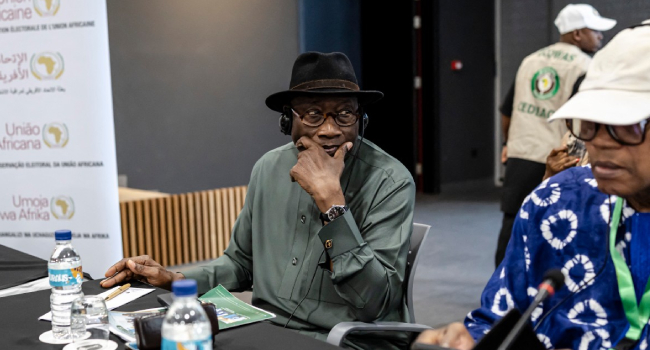
The former president expressed deep concern over the situation, recalling Nigeria’s past efforts to support democracy in Guinea-Bissau. He said the sudden coup declaration came while officials were awaiting final results that had already been collated from nine regions.
“What happened is disturbing. We were waiting for final results when President Embaló suddenly declared there was a coup. From all indications, nobody arrested him,” he said.
Jonathan urged ECOWAS leaders to take a firm stance similar to the regional response during the 2010 Côte d’Ivoire post-election crisis.
He emphasised that the duty of regional bodies is not to confront the military physically, but to ensure transparency by publicly releasing the election results.
“There is no need to spill blood. But the results are there. Nobody should play pranks with democracy,” he said.
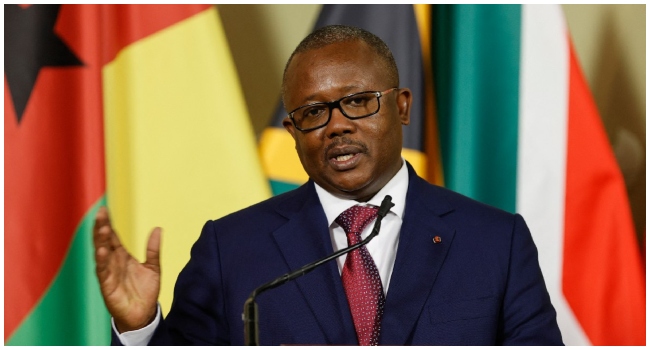
Guinea-Bissau’s military took “total control” of the country on Wednesday, suspending the electoral process and shutting its borders. President Umaro Embaló—initially favoured to win—later traveled to Senegal.
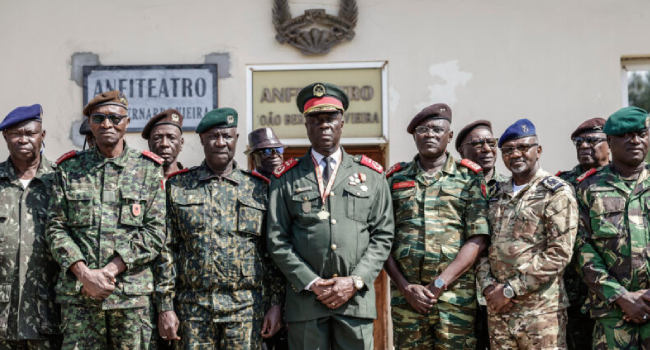
After the takeover, the military announced that a command structure comprising all branches of the armed forces would lead the country. The army’s chief of staff, General Horta N’Tam, was subsequently appointed transition leader for one year.